

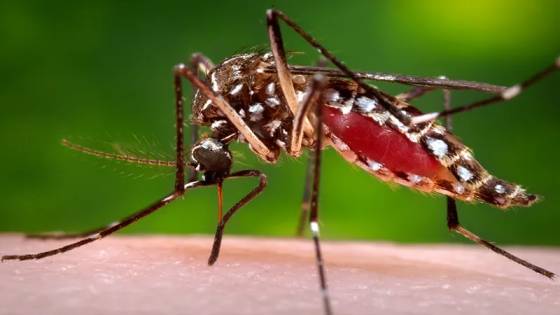
Chikungunya and Dengue are illnesses transmitted by insects that can seriously endanger public health, especially in tropical and subtropical areas.
Here at Dr Best, our goal is to keep you informed and safe about these disorders by offering comprehensive information and helpful guidance.
Dengue and Chikungunya causes, symptoms, prevention, and treatment are all covered in this guide.
Chikungunya: What is it?
Aedes aegypti and Aedes albopictus mosquitoes are the main carriers of the chikungunya virus, which infects people.
From the Kimakonde language, the word “Chikungunya” means “to become contorted,” referring to the prevented aspect that people with serious joint discomfort have.
Signs and symptoms
Chikungunya typically shows up as the following symptoms 3–7 days following a mosquito bite:
- Unexpected rise in temperature/ Fever
- Severe joint pain
- Pain in the muscles
- Headache
- Vomiting
- Restless
- Irritation
Diagnosis
The main focus of the diagnosis is the patient’s symptoms, which can be verified by laboratory testing, such as blood tests to find the virus or antibodies.
Treatment
For Chikungunya, there isn’t a specific antiviral medication. The goal of management is to reduce symptoms:
- Non-steroidal anti-inflammatory medications, or NSAIDs, such as ibuprofen or paracetamol, are used to treat pain and fever.
- Hydration: Consuming a lot of liquids to stay hydrated.
- Rest: Sufficient sleep helps strengthen the immune system.
Dengue: What is it?
Another viral illness spread by mosquitoes is dengue, which is brought on by the Dengue virus, which comes in four different serotypes (DENV-1, DENV-2, DENV-3, and DENV-4).
Most commonly, Aedes mosquitoes—specifically, Aedes aegypti—transmit it.
Signs and symptoms
Dengue symptoms can range from mild to severe and usually show 4–10 days after the mosquito bite. Among them are:
Diagnosis
The main focus of the diagnosis is the patient’s symptoms, which can be verified by laboratory testing, such as blood tests to find the virus or antibodies.
Treatment
For Chikungunya, there isn’t a specific antiviral medication. The goal of management is to reduce symptoms:
- Non-steroidal anti-inflammatory medications, or NSAIDs, such as ibuprofen or paracetamol, are used to treat pain and fever.
- Hydration: Consuming a lot of liquids to stay hydrated.
- Rest: Sufficient sleep helps strengthen the immune system.
Symptoms/Signs
- increased fever
- intense headache
- ache behind the eyes
- Pain in the muscles and joints
- Vomiting and feeling sick
- swollen glands
- irritation
Severe cases of dengue might develop into potentially life-threatening dengue Shock Syndrome (DSS) or dengue haemorrhage fever (DHF).
Diagnosis
Diagnosis Laboratory testing, such as the following, is used to confirm the dengue diagnosis after a clinical evaluation.
- NS1 Antigen Test: Identifies the Dengue virus at an early stage of the illness.
- The genetic material of the virus is identified by PCR (Polymerase Chain Reaction).
- Tests for IgM and IgG Antibodies: Identify current or previous infections.
Treatment
Dengue lacks a specific antiviral treatment, just like Chikungunya. Among the supportive care services are:
- Pain and fever management: To reduce the risk of bleeding, use paracetamol instead of NSAIDs.
- Hydration: Consuming enough liquids throughout.
- Monitoring: Close supervision to control problems, especially in severe situations.
Key Strategies for Prevention
Reducing mosquito exposure and reproduction is a major step in the prevention of dengue and chikungunya:
1. Control of Mosquitoes
- Get Rid of Standing Water Empty water-collecting containers on a regular basis to minimise breeding grounds.
- Apply Insecticides: If there are any water bodies that cannot be drained, apply larvicides.
- Environmental Management: Keep the area tidy to stop the growth of mosquitoes.
2. Individual Protection
- Use insect repellents with DEET, picaridin, or oil of lemon eucalyptus.
- Protective Appearance: Put on long shirts and long trousers.
- Use a mosquito net when you sleep, especially in places where mosquito activity is strong.
3. Programmes for Raising Community Awareness
- Engage in neighbourhood campaigns to increase public knowledge of diseases spread by mosquitoes.
- Consistent Surveillance: Assist regional health officials in keeping an eye on and managing mosquito populations.
To Conclude
Dengue and chikungunya are dangerous diseases that call for caution and early intervention.
The key to treating chronic disorders is being aware of their symptoms, getting treatment as soon as possible, and putting good preventative measures in place.
Our goal at Dr Best is to educate you with the information and resources you need to safeguard your family members and yourself.
Stay attentive and knowledgeable. Visit Dr Best for more specific assistance and individualised health advice.
 Get in Touch
Thank you for sharing such an insightful and well-written article. I appreciate the thorough research and clear presentation of the topic. Your ability to break down complex concepts into easily understandable information is impressive and beneficial for readers. I look forward to reading more of your content and learning from your expertise. Keep up the great work!
This article is outstanding! I truly appreciate the comprehensive and clear manner in which you covered the topic. Your insights are incredibly valuable, offering a wealth of useful information for readers. It’s evident that you possess a deep understanding of the subject, and I am eager to read more of your work. Thank you for sharing your expertise and knowledge.
Hi my family member I want to say that this post is awesome nice written and come with approximately all significant infos I would like to peer extra posts like this
The future of wearable technology holds promise for even more seamless integration into daily life, with advancements in health monitoring, augmented reality, and personalized experiences. Innovations like flexible displays, biometric sensors, and improved connectivity are poised to revolutionize how we interact with technology, enhancing both convenience and capability.
Your article helped me a lot, is there any more related content? Thanks!