
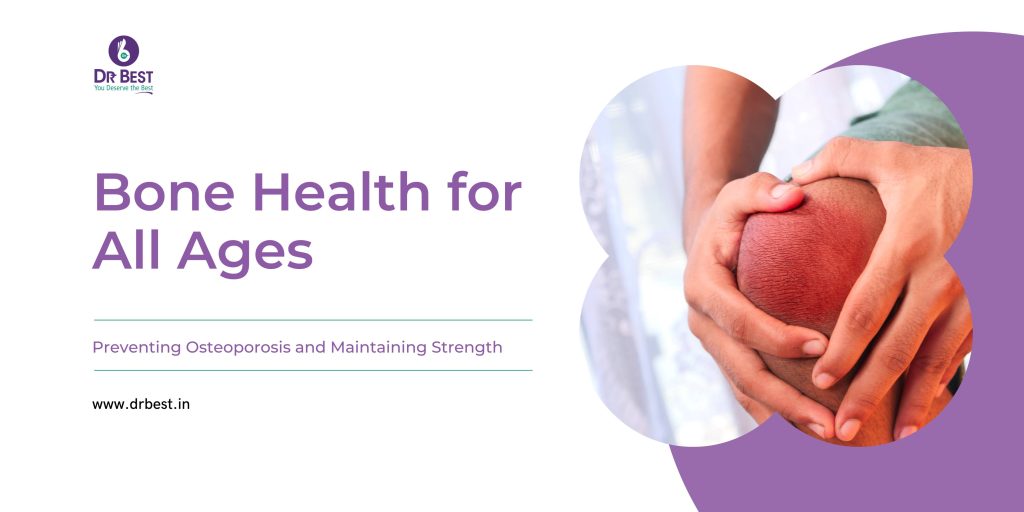
How do some older adults seem to break bones more easily, even from a simple fall? It’s not just about being clumsy! Our bones, believe it or not, are like living tissues that constantly change throughout our lives. And just like any other part of our body, they need special care to stay strong and healthy.
Think of your bones as the body’s internal scaffolding. They provide us with support and structure, allowing us to move around, stand tall, and protect our vital organs. They’re made of a combination of minerals, like calcium, and proteins that work together to give them strength and flexibility.
But as we age, this balance can change, and our bones can become weaker and more prone to breaking. This condition, where bones become thin and brittle, is called osteoporosis. It might sound scary, but the good news is there’s a lot we can do to keep our bones healthy and strong at every age!
Building Strong Bones from the Start: A Journey Throughout Life
Just like a building needs a strong foundation, our bones need proper care from a young age. Here’s how we can set the stage for lifelong bone health:
Growing Up Strong – Childhood & Adolescence:
- Calcium & Vitamin D: Imagine calcium as the building blocks for your bones, and vitamin D as the worker bees that help your body absorb it. During childhood and adolescence, these two nutrients are crucial for building strong, dense bones.
- Healthy Habits, Strong Bones: Here’s the good news – many everyday habits can promote strong bones in children. A balanced diet rich in calcium-rich foods like milk, cheese, and leafy greens is key. Encouraging regular exercise, like playing outside or participating in sports, helps build bone density. And don’t forget about safe sunlight exposure (with supervision!) to get enough vitamin D.
Maintaining Bone Strength:
As we age, our bodies naturally start to lose some bone density. But that doesn’t mean we’re powerless! Here’s how to keep your bones strong in your adult years:
- Calcium & Vitamin D: Don’t ditch the calcium and vitamin D just because you’re all grown up! These essential nutrients are still important for maintaining bone health throughout adulthood. Consider including calcium-fortified foods in your diet and talk to your doctor about vitamin D supplements if needed.
- Weight-Bearing Exercises: Did you know that exercise plays a crucial role in bone health? Weight-bearing exercises, like walking, running, dancing, or even climbing stairs, help stimulate bone growth and maintain bone density. So, get moving and give your bones some love!
Bone Health Concerns for Seniors:
As we reach our senior years, the risk of osteoporosis, a condition that weakens bones and increases fracture risk, becomes higher. Here’s what you need to know:
- Increased Risk of Osteoporosis: Unfortunately, the older we get, the higher the chance of developing osteoporosis. This is especially true for women after menopause.
- Risk Factors to Watch Out For: Certain factors can increase your risk of osteoporosis, such as family history of the condition or long-term use of certain medications. Talk to your doctor if you have any concerns.
- Early Detection is Key: Bone density scans are a painless way to measure bone mineral density and identify osteoporosis early. If you’re at higher risk, your doctor might recommend this test to monitor your bone health.
Building a Fortress: Preventing Osteoporosis and Keeping Bones Strong
Now that we understand the importance of bone health throughout life, let’s explore ways to prevent osteoporosis and keep our bones strong for the long haul!
Food for Strong Bones:
What we eat plays a crucial role in bone health. Here’s how your diet can become your bone-building ally:
- Calcium Powerhouse Foods: Focus on incorporating calcium-rich foods like dairy products (milk, cheese, yogurt), leafy green vegetables (kale, spinach), and even some fortified options (cereals, orange juice). These foods provide the essential building blocks your bones need.
- Vitamin D: Don’t forget about vitamin D! This vital nutrient helps your body absorb calcium effectively. Include some vitamin D sources in your diet, like fatty fish (salmon, tuna) or egg yolks. Remember, safe sunlight exposure (in moderation and with sunscreen protection) can also contribute to your vitamin D levels.
Exercise – Your Bones’ Best Friend:
Moving your body is a fantastic way to keep your bones strong! Weight-bearing exercises, where your bones support your body weight against gravity, are particularly beneficial. Here are some great examples you can easily incorporate into your routine:
- Walking: It’s simple, effective, and accessible to almost everyone. A brisk walk every day can do wonders for your bone health.
- Running or jogging: If you’re looking for a more intense workout, running or jogging can be a great option.
- Dancing: Get your groove on! Dancing is a fun and social way to get weight-bearing exercise.
- Strength Training: Don’t underestimate the power of strength training! Building muscle strength can also indirectly benefit bone health.
Important Note: Before starting any new exercise program, especially if you have any health concerns, it’s always a good idea to consult with your doctor to ensure it’s safe and appropriate for you.
Lifestyle Habits for Bone Health:
Certain lifestyle habits can negatively impact bone health. Here’s what to avoid:
- Smoking: Smoking is a major risk factor for osteoporosis. It can weaken bones and hinder their ability to heal properly.
- Excessive Alcohol Consumption: Heavy alcohol intake can also contribute to bone weakness and increase the risk of fractures.
Maintaining a Healthy Weight: While there’s no single ideal weight for everyone, maintaining a healthy weight range can be beneficial for overall bone health. Talk to your doctor about what’s right for you.
By incorporating these tips into your life, you can take charge of your bone health and build a strong foundation for a healthy and active future!
Conclusion
So there you have it! We’ve explored the importance of bone health throughout life, from building strong bones in childhood to maintaining bone density in adulthood and beyond. Remember, our bones are a living tissue that constantly changes. But with the right approach, we can keep them strong and healthy at every stage.
Here’s a quick recap:
- Early Years: Focus on a calcium-rich diet and encourage weight-bearing exercise in children for optimal bone development.
- Adulthood: Maintain your calcium and vitamin D intake, incorporate weight-bearing exercises into your routine, and consult your doctor about bone health.
- Seniors: Be aware of the increased risk of osteoporosis and talk to your doctor about bone density scans and potential preventive measures.
Taking proactive steps towards bone health is an investment in your future well-being. Don’t wait! Schedule an appointment with your doctor to discuss your individual needs and create a personalized plan for keeping your bones strong and healthy for years to come.
Remember, strong bones mean a stronger, more active you!
 Get in Touch